Abies Fraseri ~ Fraser Fir

Abies Fraseri ~ Fraser Fir
Other Names: She-Balsam, Fraser, Southern Balsam Fir, Mountain Balsam, Frazer Fir, Frazier Fir (Share any others you know!)
FAMILY: Pinaceae Native Region(s): North Carolina, Tennessee, Virginia. (Appalachia)
GENUS: Abies
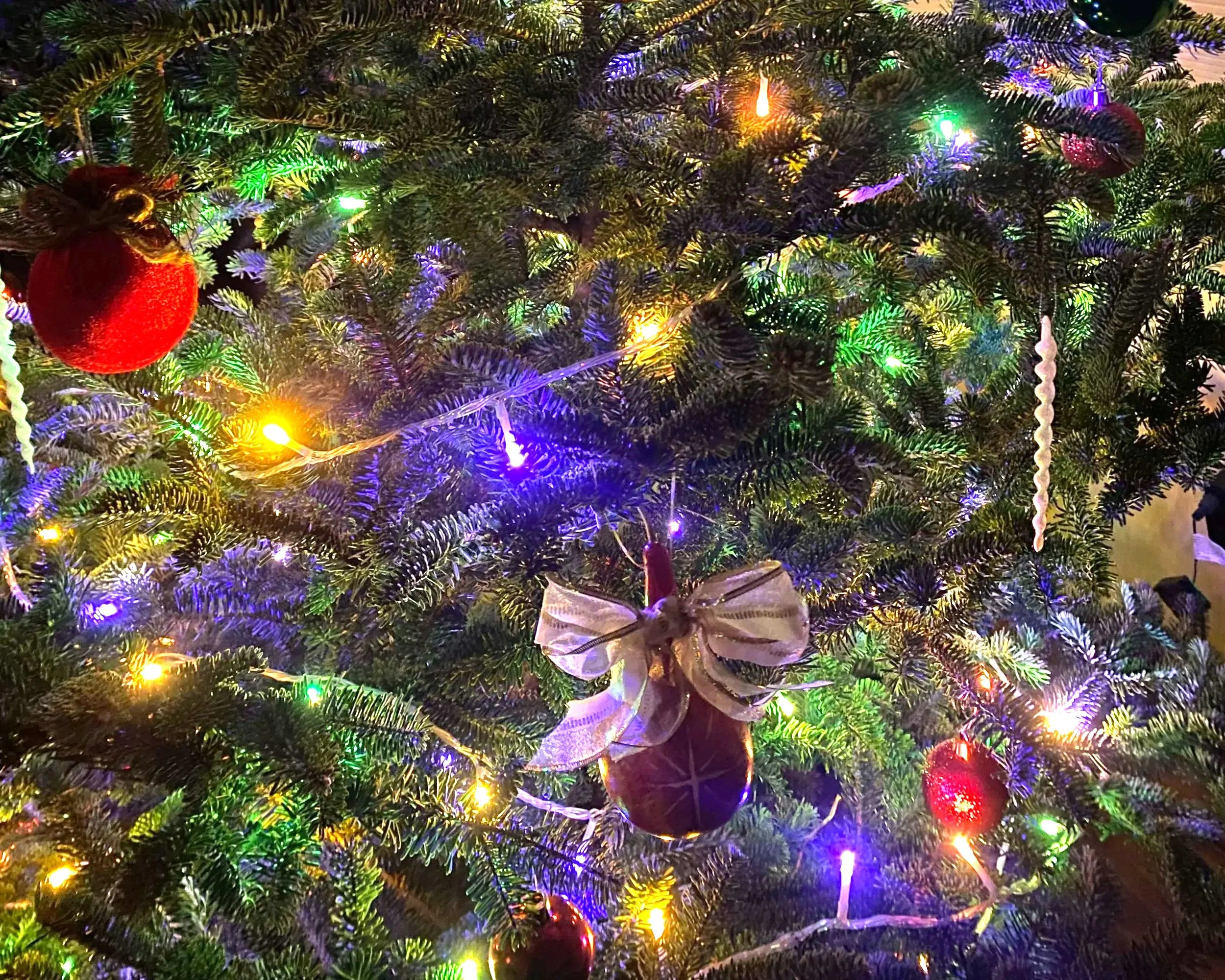
The Cadillac of Christmas Trees
This is a name you have likely heard often, especially around the Holidays. Fraser Fir is THE tree to get, and it has been ranked the best Christmas tree in North Carolina for many years. Why?
This tree has the awesome ability to shut it’s stomata when cut, which slows the drying process out. The needles are stubborn and hang on for dear life even as we rough em up to some LED’s. They hold on, stay sturdy, and are soft to the touch! That would be why Fraser Fir is considered THE best Christmas tree. (which if you know me, you know I tend to dislike biased statements.) (1)
Stomata = Microscopic pores found on the underside of the soft, flat needles. For other pine trees it might be found in the grooves on the needle surface. These are crucial for photosynthesis!
HISTORY & tradition
The history of She-Balsam specifically, is a bit unclear due to the nature of ever-changing classifications. Originally, it was considered a variety of balsam fir which it is closely related to. It was eventually elevated to it’s own species based on the difference in bract size, also the geographic ranges. (2)
Named after the Scottish botanist John Fraser, who sailed to Newfoundland at the age of thirty to better his health. You can dig into the story a bit more and decide for yourself; but there are notes of John Fraser and french botanist André Michaux being friends and foraging together. This may be true, but there are also anecdotal notes on a more strained relationship. (1)
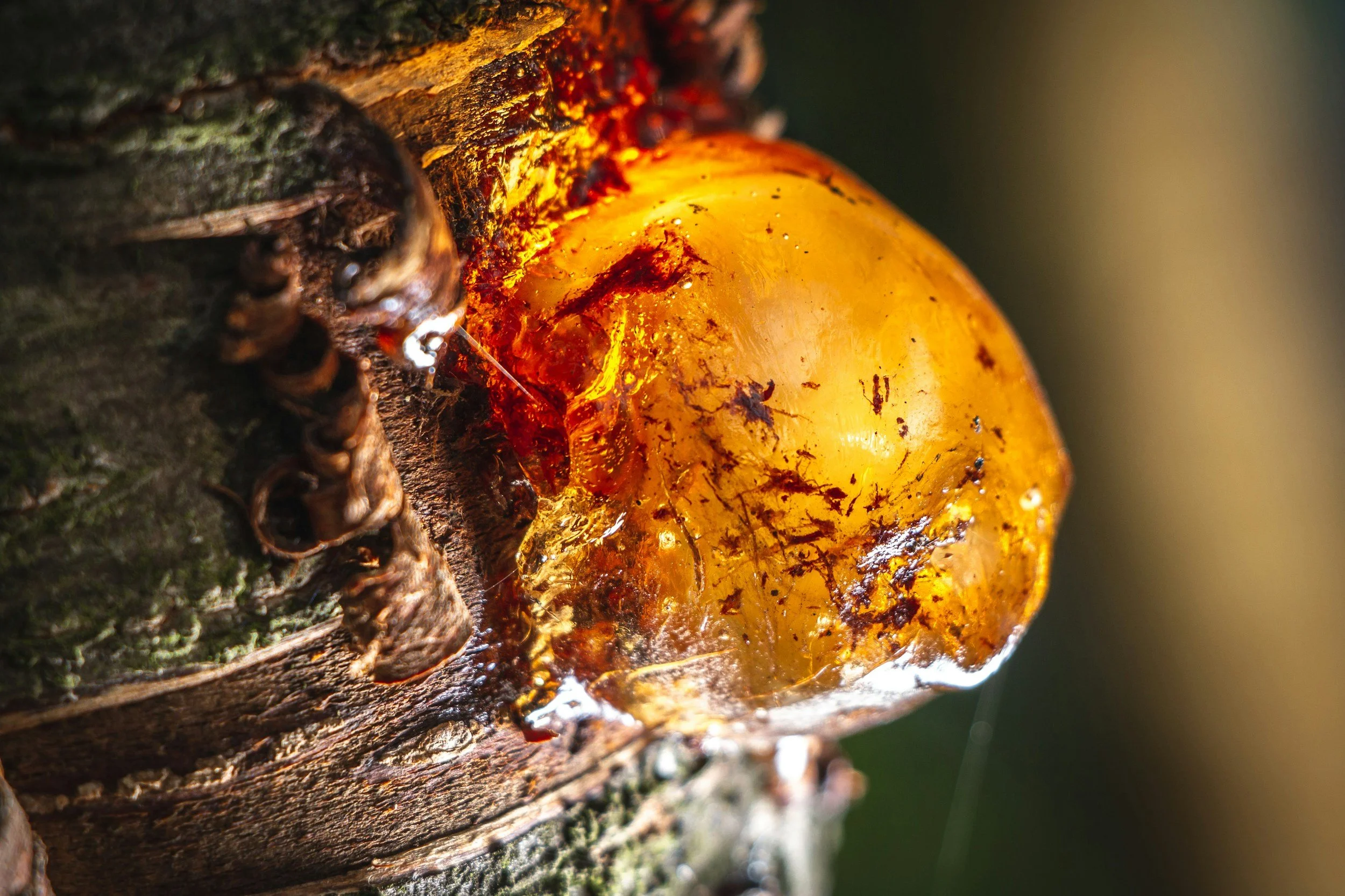
Before the discovery by John Fraser, these tree’s still held much value. To the Cherokee Indians, it was extremely multipurpose. Used in colds, constipation, kidney and lung troubles, ulcers, and fresh wounds. Early settlers discovered the valuable qualities, and collected the resin for both external and internal disorders. “She-balsam can be milked.” (1)
Now…this is the background of Fraser Fir which is no doubt interesting, but if you want to learn more about the history of the Christmas Tree in general: (Read more Here)
Growth & Harvest
Abies Fraser, is mostly propagated from seeds or cuttings. There is also grafting for special purposes and tissue culture being explored. It can intermediately handle shade. Frazeri enjoys the rocky, sexy, sandy, and fertile soils that are acidic. Flowers tend to be receptive around May-June just before my birthday and like many of our pine trees, it is perennial. Fraser is also Monescious which means it has both male and female flowers occur. (3)
Parts used include: Needles, Resin, Roots, Bark, and Branches. If planning to use internally, CAUTION is advised. Please ensure proper identification between toxic look-alike trees (Yew). Patch test for sensitivity and ensure foraging from clean and safe location that is free from pesticides.
Found in the Appalachians naturally, it does quite well with cool temps and high elevation. You could say Fraser Fir spends a lot of time in the clouds and tends to get a bit of rain which makes it essentially resistant to fires -> It is unfortunately not resistant to fires when it is decorated with LED’s in our houses…Outside of our homes, it is wind pollinated which is common for conifers and many of our food crops like wheat or rice.(8)
Keep reading to learn how to repurpose your Christmas Tree. Find specifics for harvesting on Youtube or through other literature. Historically the resin was collected by pricking the larger blisters at the bottom and guiding the liquid into a container using a turkey quill. (1)
Uses & Applications: Save those Christmas Trees!
Today’s uses for Fraser Fir may or may not differ from traditional uses. Many will repurpose Frazier as simply a decorative piece, but there are many uses for before and even after the Holidays hibernate.
Make an all natural cleaner : This is basically a better smelling and extra personal pine sol (in my opinion).
One super simple method of repurposing, is stuffing pillows with your boughs. Take those big branches (boughs), and stuff some handmade pillows to throw in the camper or any other neglected spaces as a moth repellent. Or toss it into a gift basket with your homemade cleaner and steam satchel for a little goodies set, share your photos but be sure to tag me! You can also purchase small boxes & products from me seasonally (local shops)!
Create a steam satchel like this one with this addition -> (Recipe)
Hildegard von Bingen wrote of fir in a salve with sage and cow butter for anointing purposes. You can infuse it into an oil and use that to create salves, lotions, and even soaps. John Gerard wrote about using the resin for cleansing internally and externally. The liquid resin “driveth forth hot choleric humours,” stones and gravel. Fr. Kunzle shared German folklore traditions of placing baskets of Fir in patients rooms suffering from tuberculosis. (4)
Overall it is notably astringent, and high in vitamin C. There are many uses including cleaning, repelling, crafting, it might even find a place in some sweat lodges.
Bridging Kitchen & Apothecary
Fraser Fir is unfortunately not high on the edibility scale. (5)
According to plant for future the inner bark could very likely be cooked and then dried to powder for a thickener. You could add this to soups or mix with grains when bread-making. The oleo-resin from the pitch could potentially flavor your sweets or baked goods.
These statements are for a close relative and likely fine to duplicate, however use caution and research before trying. (5)
In essence, it is very aromatic and can be used to add a lovely fragrance to your home and much more.
[Try this EASY Wilderness Cleaner -COMING SOON]
>”Practitioner” notes<
Fraser Fir is a welcoming tree with a gentle yet protective presence. You don’t have to drink a tea to reap the benefits, simply place a bough in your home and invite the fragrant warmth it just so happens to bring. There is a lack of research behind the use of this tree in practice, I would love for anyone to share their knowledge if they know more on this subject. That being said, I don’t have much to recommend for practicing with this tree other than personal preference and experimentation.
From a Western energetic perspective, Fraser is warming, drying, and gently stimulating (Much like Thyme). It can help tighten tissues and cleanse especially the bladder and kidneys. High in vitamin C and useful against scurvy.
You could cautiously trial a aromatic bath using a large straining bag which is said to benefit rheumatism and nervous diseases. At this point in my practice, this is hearsay as I have yet to try it myself but I will update. Ensure you are using a true pine for any topical or internal remedies, there are toxic lookalikes to know of.
PRACTICAL TIPS
Use the young tips for your most prized projects like salves or topical formulations. These will be most fragrant especially taken from the top.
Branches are slow drying, allow them to dry for several days to prevent mold. You can poke holes in a plastic bag and shake daily, or use paper bags to allow airflow.
Ensure proper identification and clean growing methods before using. There are other ways to preserve your tree if you cannot use for oils and such.
Add a few sprigs of Fraser to steam inhalation blends during colds or congestion. It is like a breath of fresh forest air, right in the comfort of your kitchen! Ensure you keep it within the cloth sack and wash your pot or bowl quickly to prevent the resin from staining.
Collect boughs (large branches) for crafting or homemaking.
Dosage & safety
NOT ENOUGH RESEARCH TO NOTE DOSAGE > CONSULT HERBALIST AND USE INDIVIDUAL DISCREPANCY
Pregnancy and breastfeeding: Not enough research for medicinal use. Use caution with contact, and consult with a provider.
Children: Not enough research for medicinal use. Use caution with contact, and consult with a provider. May irritate children sensitive skin especially if using Essential oils.
Drug interactions: May interact with thyroid medications, anticoagulants, anti-platelet drugs, or liver processed drugs. It could potentially have a blood thinning effect.
Side effects: Not enough research to say with confidence. Would likely appear as skin and/or GI issues.
Harvest and storage: Harvest aerial parts just before flowering for best potency. Dry in a dark, airy place and store in airtight containers away from heat and light. Fresh sprigs can be refrigerated for up to a week or frozen for longer keeping.
Conclusion
Fraser fir is resilient and offers a subtle quiet protection. It has long been welcomed in times of transition and seasonal heaviness. It has a special ability to open the breath and lift the weight of stagnation. From forested mountain slopes to the heart of the home, Mountain Balsam carries a presence that clears, steadies, and renews.
Working with fraser fir means drawing on its crisp strength when the chest feels heavy and the air feels stale. Or when the spirit needs freshening and clarity. It’s medicine is both grounding and awakening taking you into evergreen woods after a long winter. With Fraser, each breath feels cleaner and more alive.
Whether enjoyed through aromatic steam, infused into oil, or simply inhaled from the branches themselves; Fraser reminds us that renewal often begins with breath and stillness.
For a deeper dive into Balsam Fir: [Learn more Here]
References
https://christmastrees.ces.ncsu.edu/christmastrees-chapter-2-why-fraser-fir/
https://www.srs.fs.usda.gov/pubs/misc/ag_654/volume_1/abies/fraseri.htm
North Carolina State University, Plants. (n.d.). Thymus vulgaris. Retrieved September 9, 2025, from https://plants.ces.ncsu.edu/plants/thymus-vulgaris/
https://christmastrees.ces.ncsu.edu/christmastrees-pollinator-study/