Abies Balsamea~ Balsam Fir

Abies Balsamea ~ Balsam Fir
Other Names: Balsam, Canada balsam, Eastern Fir, Bliter Fir, Balm of Gilead Fir
FAMILY: Pinaceae Native Region(s): Eastern and Central Canada. NE Us. Northern New England?
GENUS: Abies
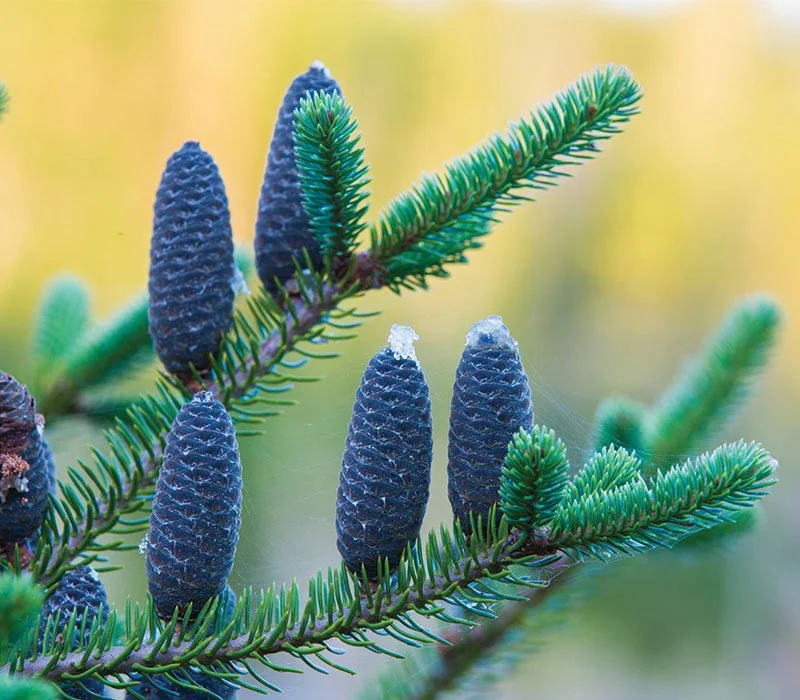
A More Familiar Fir
Until quite recently, my knowledge on trees and their medicinal potential was obsolete. Balsam fir was a name I had heard of here and there, but I did not have any further background. Though very similar, there are some slight but noticeable differences between Balsam and Fraser Fir. Other than specific characteristics, the geographical locations are a clear differentiator.
Bark appears thin and ash gray toned. The Stomata is found in two silvery bands on the lower surface of the needles. Like Fraser and many other evergreens, it is wind pollinated. Click on the photo to learn more about identifications and naming origins. Be sure to come back due to that pure curiosity!
Stomata = Microscopic pores found in on the underside of the soft, flat needles. For other pine trees it might be found in the grooves on the needle surface. These are crucial for photosynthesis!
Photo Credit to Johnson’s Nursery. (Linked)
HISTORY & tradition
Balsam Fir was utilized by many tribes and nations for a variety of ailments. Chippewa Nation reported using the gum as an analgesic along with an essence created from the root for inflammation due to arthritis. Micmac, Menominee Indian, Malecite, and many other Native Americans report various uses within the Native American Ethnobotany Database. For example: Micmac would brew a tea from buds and cones to administer a laxative. The Algonquin would brew a very similar tea to ease the birthing process. The resin is among the most popular parts used medicinally accounted in various literature. The resin was used during the civil war for external injuries. It was also used as a glue and varnish due to the sticky nature. (5)(9)
As I continue to reference different uses among Native Americans, I want to make it clear that the timing is unclear. There are many uses that may be considered traditional and historical that are perfectly modern for some but not aligned for others.
Growth & Harvest
Abies Balsamea, is mostly propagated from seeds or cuttings. There is also grafting for special purposes and tissue culture being explored. Being Native to cooler climates makes it perform better if planted in areas avoiding hot and humid summers south of USDA zone 5. Balsam and Fraser are both Monescious which means it has both male and female flowers occur. (3)
Parts used include: Needles, Resin & Resinous Knots, Oleo-resin, Boughs (Branches), Roots. If planning to use internally, CAUTION is advised. Please ensure proper identification between toxic look-alike trees (Yew). Patch test for sensitivity and ensure foraging from clean and safe location that is free from pesticides.
It prefers rich and consistently soil to be consistently moist but well draining and slightly acidic. It can handle part shade but thrives in full sun.
Keep reading to learn how to repurpose your Christmas Tree. Find specifics for harvesting on You-tube or through other literature. Historically resin knots were collected and chewed much like chewing gum before it was sold in stores. (1)
Uses & Applications: Save those Christmas Trees!
Today’s uses for Balsam Fir may slightly vary from traditional uses depending on who/where you ask. Many will find this only as a decorative prop rather than healthful, but there are many uses left still after the Holidays hibernate.
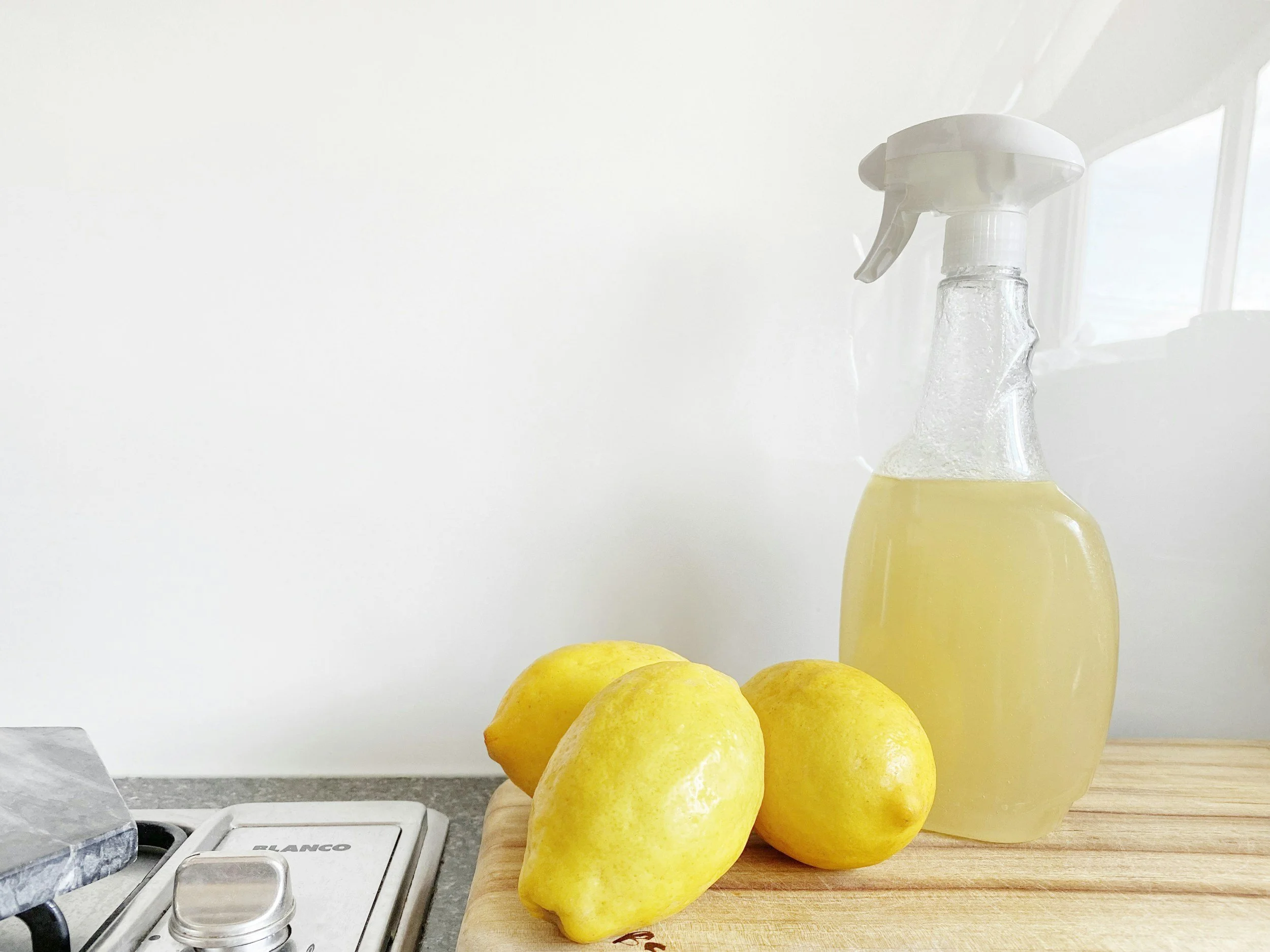
Make an all natural cleaner : This is basically a better smelling personal pine sol (in my opinion).
One of the few modern uses that matches tradition is stuffing pillows with your boughs. Take those big branches (boughs), and stuff some handmade pillows to throw in the camper or any other neglected spaces as a moth repellent.
The Ojibwa create a decoction to induce sweating and relieve soreness near the chest due to coughing. The sap mayalso be decocted for kidney pains.
Overall it is notably astringent, and high in vitamin C & A. There are many uses including cleaning, repelling, crafting, it might even find a place in some sweat lodges.
Bridging Kitchen & Apothecary
Balsam and other Fir are unfortunately not high on the edibility scale.
According to Plant for Future the inner bark could potentially be cooked and then dried to powder for a thickener. You could add this to soups or mix with grains when bread-making. The oleo-resin from the pitch could potentially flavor your sweets or baked goods. A more flexible method might be including a pine flavored salt or sugar in recipes.
These statements are for a close relative and likely fine to duplicate, however use caution and research before trying. (5)
In essence, it is very aromatic and can be used to add a lovely fragrance to your home and much more.
[EASY Wilderness Cleaner or Steam Satchel- COMING SOON]
>”Practitioner” notes<
Fraser Fir is a welcoming tree with a gentle protective presence. You don’t have to drink a tea to reap the benefits, simply place a bough in your home and invite the fragrant warmth it happens to bring. There is a lack of research behind the use of this tree in practice, I would love for anyone to share their knowledge if they know more on this subject. That being said, I don’t have much to recommend for practicing with this tree other than personal preference and experimentation.
From a Western energetic perspective, Fraser is warming, drying, and gently stimulating (Much like Thyme). It can help tighten tissues and cleanse especially the bladder and kidneys. High in vitamin C and useful against scurvy.
You could cautiously trial a aromatic bath using a large straining bag which is said to benefit rheumatism and nervous diseases. At this point in my practice, this is hearsay as I have yet to try it myself. Ensure you are using a true pine for any topical or internal remedies, there are toxic lookalikes to know of.
PRACTICAL TIPS
Keep a small jar of thyme honey or syrup on hand for seasonal coughs or scratchy throats. The warming and soothing qualities can bring quick comfort.
Use thyme-infused oil as a topical rub for tired muscles or minor skin irritations. Its antimicrobial and warming properties support both skin health and relaxation.
Sip a cup of thyme tea after meals to ease digestion and reduce gas or bloating. It pairs well with herbs like mint, fennel, or chamomile for added carminative effects.
Add a few sprigs of fresh thyme to steam inhalations during colds or congestion. The aromatic oils help open the chest and clear the breath.
Try incorporating thyme into savory broths or soups during the colder months to support resilience and keep the respiratory system strong.
Dosage & safety
NOT ENOUGH RESEARCH TO NOTE DOSAGE > CONSULT HERBALIST AND USE INDIVIDUAL DISCREPANCY
Pregnancy and breastfeeding: Not enough research for medicinal use. Use caution with contact, and consult with a provider.
Children: Not enough research for medicinal use. Use caution with contact, and consult with a provider. May irritate children sensitive skin especially if using Essential oils.
Drug interactions: May affect absorption of other medications or supplements. May affect effectiveness of diuretics.
Side effects: Not enough research to say with confidence. Would likely appear as skin and/or GI issues.
Harvest and storage: Harvest aerial parts just before flowering for best potency. Dry in a dark, airy place and store in airtight containers away from heat and light. Fresh sprigs can be refrigerated for up to a week or frozen for longer keeping.
Conclusion
Thyme is a steadfast ally, rooted in strength, clarity, and protection. It has long been called upon in times of illness or transition, not for its gentleness alone but for its ability to steady the breath and fortify the body. From ancient households to modern kitchens, thyme has stood as a companion that clears, restores, and uplifts.
Working with thyme means drawing on its warmth in moments of weakness, congestion, or fatigue. Its medicine is both grounding and invigorating—like a breath of mountain air that steadies the spirit while strengthening the body.
Whether steeped in a simple tea, simmered in broth, or infused into honey, thyme reminds us that resilience often comes through everyday care and small, steady acts of renewal.