

Cascara | Exploring the Coffee Cherry Beyond the Bean
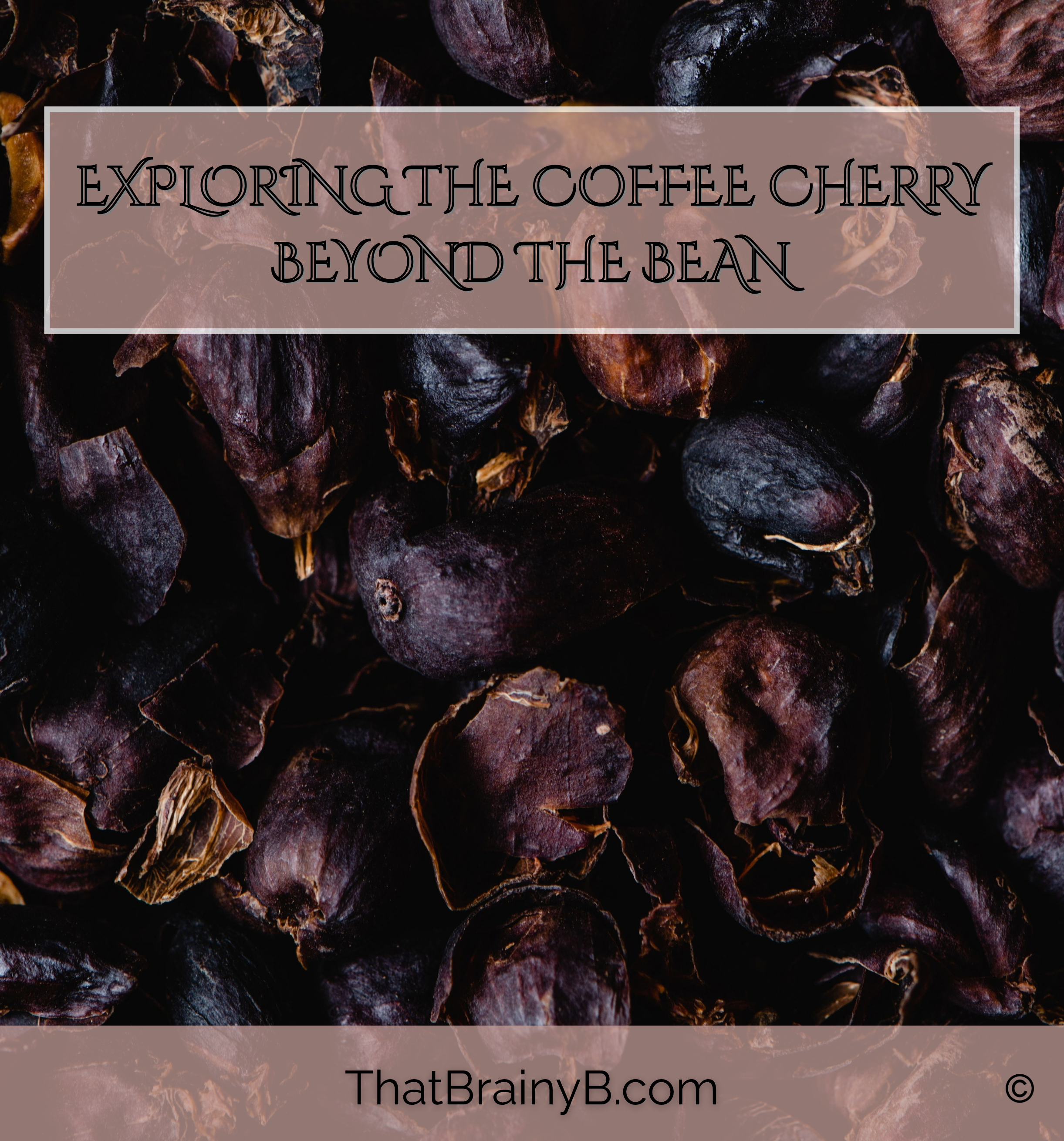
What if coffee wasn't just the bean?
Most of us think of coffee as the roasted bean that wakes us up in the morning, but that bean is actually tucked inside a fruit. The coffee cherry has its own story of flavor, chemistry, and history. The dried fruit surrounding the bean is known as cascara. This often-overlooked part of the coffee plant has become an interesting ingredient for herbalists, food makers, and coffee lovers alike. Keep reading to learn more what cascara actually is, what we know about it’s compounds, uses, and why this unusual coffee fruit has caught my attention.
~ For educational purposes and learning. These tips and blends are shared for personal use. Do not reproduce or sell commercially. ~What Exactly Is Cascara?
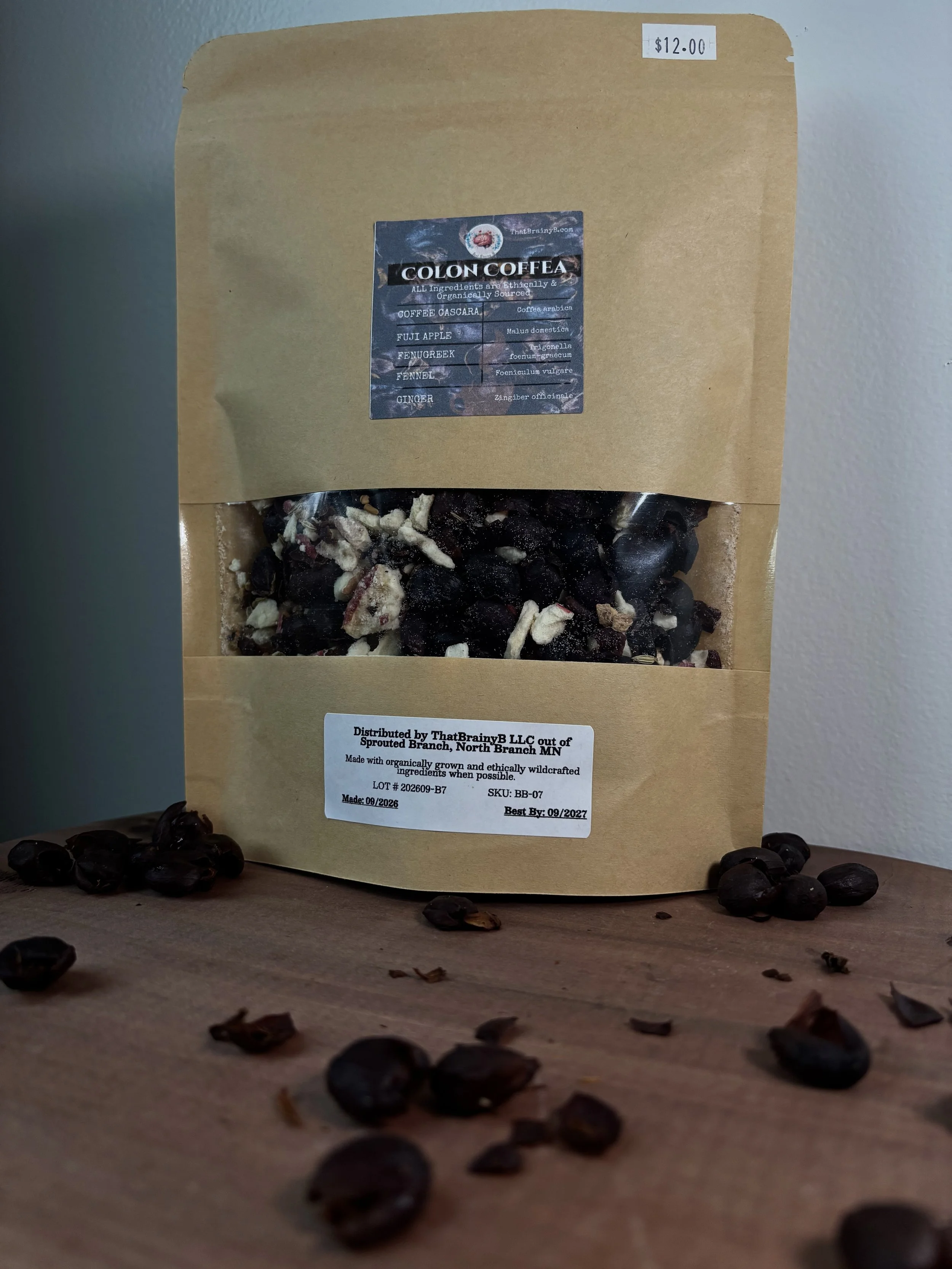
Cascara can mean a few different things, so let’s clear that up. Cascara actually means “peel” in spanish and here we’ll be learning about the coffee cherry cascara. Coffee cascara is not to be confused with Cascara Sagrada, which comes from a completely different plant. Coffee cherry cascara is often dried and used to make beverages, like my Colon Coffea Fall Tea. For this post we will be mostly discussing the dried peel.
Within this dried material we can find the skin (exocarp), pulp (mesocarp), mucilage, parchment (endocarp), and part of the silvery skin (inner membrane) which hugs the bean. Essentially all the goodness we might more often throw away aside from the familiar coffee bean! In other words, cascara includes several layers of the coffee cherry that are removed during coffee processing but can still be used rather than discarded. [1]
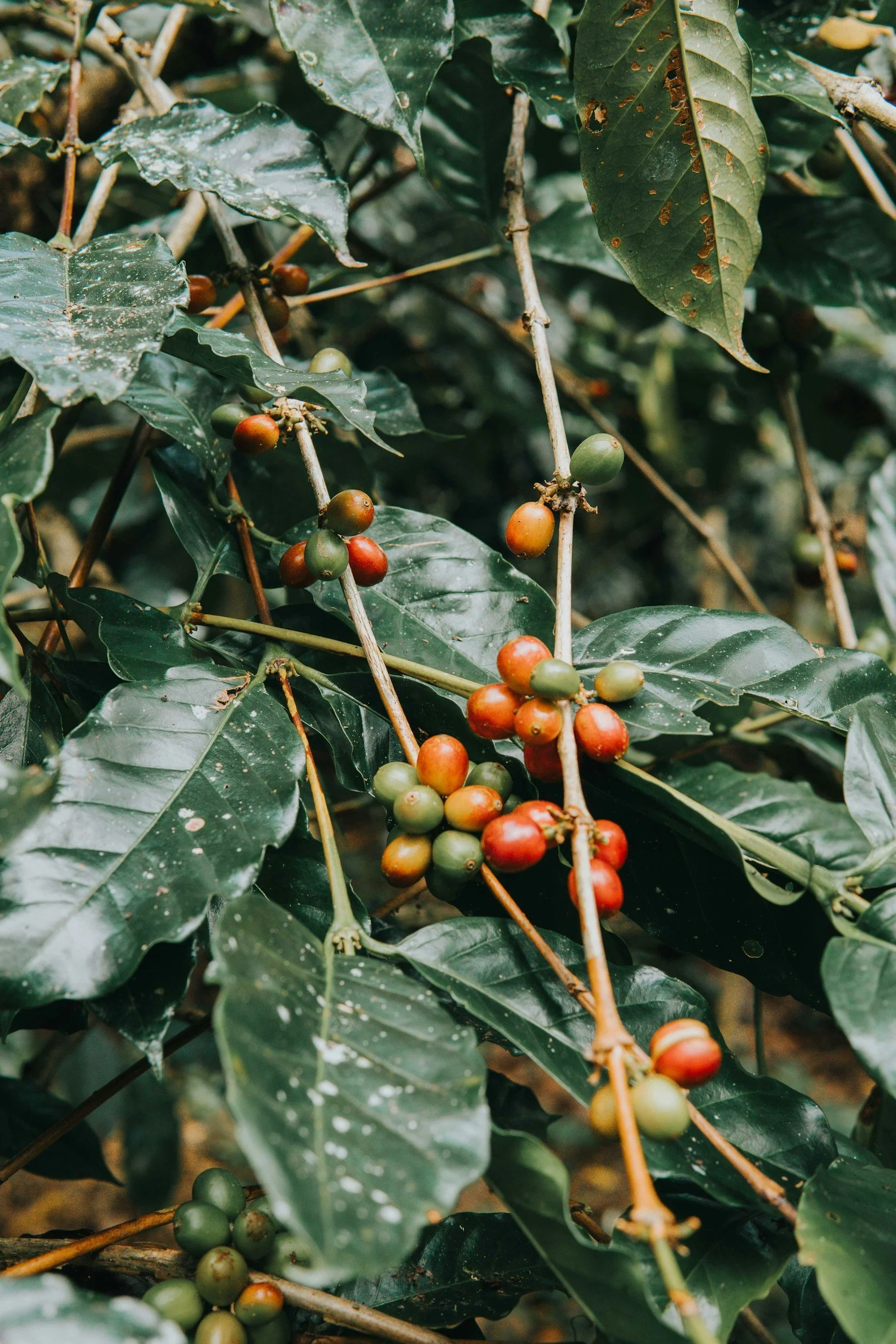
From Coffee Cherry to Cup
Is all cascara the same?
NO
Cascara will vary with each batch just as coffee does. The variety of coffee plant, growing region, processing methods, and even the way the finished cascara is prepared can all influence what ends up in your cup.
One important example is caffeine. Cascara does contain caffeine because it comes from the coffee fruit surrounding the bean. In a safety assessment, EFSA modeled a worst-case scenario in which 100% of the caffeine present was extracted into the beverage. Under that theoretical scenario, concentrations could reach up to 600 mg/L. This does not mean that a typical cup of cascara contains 600 mg/L of caffeine. The actual amount will depend on the cascara itself and how it is prepared. [1]
The process starts will growing coffee. Coffee can be grown in several different lots and then the cherries will be collected. The bean will be removed and our delightful fruit material separated to be dried.
So where does this interesting little fruit come from?
It all starts with the coffee plant. Coffee is grown in many different regions and under many different growing conditions. Once the coffee cherries ripen, they are harvested and processed to remove the coffee bean inside. The fruit material surrounding the bean can then be separated, dried, and prepared for other uses, including brewing into a beverage.
Instead of only thinking about the familiar coffee bean, we get to look at the whole coffee cherry and what happens to all those layers along the way.
What Is Actually in Cascara?
Cascara is chemically interesting because it contains a diverse range of phytochemicals, including phenolic compounds and polysaccharides. An analysis of 20 samples demonstrated variation in chemical composition between samples. It is not chemically standardized and as mentioned, will vary from batch to batch.[2]
A 2025 analysis of cascara from seven geographic regions found differences in phenolic composition and laboratory antioxidant activity between samples. This is another reminder that things like growing region, coffee variety, processing, and other factors can influence what is actually present in the finished cascara. [3]
A 2020 review of coffee processing of by-products described cascara as a source of dietary fiber, phenolic compounds, and other potentially useful constituents. The review discussed opportunity to valorize coffee products as food ingredients while emphasizing safety considerations such as pesticides, mycotoxins, etc. At the same time, the authors emphasized important safety considerations, including potential concerns with pesticides, mycotoxins, and other compounds that can occur in coffee processing by-products. [4]
So, sourcing matters! Where the cascara comes from and how it is processed can affect both it’s composition and how confidently we can talk about it. I’ll share more about how I source my cascara further down.
History of Cascara & Sustainability Story
We won’t get into the full complex story of coffee, but it begins in Ethiopia. Some accounts suggest that the fruit surrounding the coffee seed may have been used in beverages before roasted coffee became the familiar drink we know today. What we can say with more confidence is that coffee fruit has a history of traditional use in several regions.
In Yemen, a drink made from dried coffee fruit is known as qishr. Ethiopia also has traditions involving coffee fruit beverages, sometimes referred to as hashara or hoja. In Bolivia, dried coffee fruit is traditionally used to make a drink called sultana or café a la sultana. These preparations may include spices such as ginger, cinnamon, cloves, or other warming ingredients. [5]
Most of the worlds coffee comes from what is often referred to as ‘the coffee belt',’ which sits between the Tropic of Cancer (23.5° N) and the Tropic of Capricorn (23.5° S). Coffee-growing regions are often grouped into Latin America, Africa, and Asia and the Pacific, although each region contains many different countries, growing conditions, coffee varieties, and processing traditions. [6]
When coffee is processed, much more than the familiar bean is left behind. One review estimates that approximately 90% of the edible parts of the coffee cherry become agricultural waste or by-products, including the skin, pulp, mucilage, parchment, silverskin, and spent coffee grounds. [4] This creates an interesting opportunity. Instead of treating every part of the coffee cherry as waste, some of these materials can be used as food ingredients, beverages, compost, fuel, or other products. This process is sometimes called valorization, meaning that a material that was previously considered waste is given another useful purpose. [4]
The bigger picture of food waste is pretty significant too. The USDA estimates that roughly 30–40% of the U.S. food supply goes uneaten or is wasted. [7] Cascara certainly isn't going to solve a problem this large, but it is an interesting example of a small shift in how we think about the materials that come from our food systems.
However, using a by-product does not automatically make something sustainable or safe. We still need to consider how the coffee was grown, how the cascara was processed and dried, how it was transported, and whether it was tested for potential contaminants such as pesticides or mycotoxins. The economic effects on coffee-growing communities also matter.
For me, cascara is an interesting example of how we can begin looking at plants and food systems more completely. It is not a perfect, one-size-fits-all solution to waste, but it is one small way of asking what else a plant has to offer before we discard it.
Cascara and Antioxidants: What Does the Research Actually Show?
We know that cascara contains phenolic compounds, and laboratory assays demonstrate antioxidant activity. Other cell studies have also shown biological activity from cascara compounds. [3, 8]
But there are a lot of things we still need to consider.
We do not know for sure if drinking it produces a meaningful antioxidant effect in humans, especially because we don’t know what dose would be required. We don’t know how the compounds are exactly absorbed and metabolized, but yes we can absolutely theorize about all of these wonderful questions! And honestly, that's okay. Good research should leave room for better questions.
I don’t know if I have yet to come across a well done study that doesn’t say something along the lines of needing to conduct more research…
Something else we don't really know enough about, is how preparation changes these outcomes. Whole dried cascara, a strained infusion, a concentrated extract, a fermented beverage, or cascara used as a food ingredient will not necessarily deliver the same compounds in the same amounts. I know, however, that preparation has a big effect on the story!
Chemical antioxidant activity ≠ antioxidant effect in a human body.
That distinction is important. A laboratory test can tell us that a compound has antioxidant activity under specific experimental conditions. It cannot automatically tell us that drinking the plant will produce the same effect in our bodies.

Welcome!
Hey, I’m Brit. I help you blend the comfort of the kitchen with the care of the apothecary.
Currently Loving
Welcome to your blank materia medica pages, thoughtfully designed to guide your herbal learning journey. Across eight pages you will find creative and detailed prompts that encourage deep exploration on each plant’s unique properties, uses, and energetic qualities.
Study the applications and uses from various angles in time and space (aka your kitchen and apothecary). Note the organ affinity and aromas you personally notice.
Use these pages as your personal resource to cultivate a rich understanding and connection with the plants you work with. Download and reuse forever!
How Preparation Changes the Story
Whole dried cascara will contain its fiber and retain more of the original plant material. When we make an infusion, water-soluble compounds are more readily extracted into the water. In cascara, this can include compounds such as polysaccharides, organic acids, caffeine, and some minerals, although the amount extracted will depend on the cascara itself and how it is prepared.
With something like a powder, you consume much more of the plant material itself, including compounds that may not be extracted well into water. We also have more concentrated options such as extracts, as well as fermented preparations, where the chemistry, microbial activity, flavor, and sensory profile can change considerably. [8,9]
These are just a few examples of how preparation can change the story. The same plant material prepared in different ways is not necessarily the same experience, chemically or practically.
~ This article is for educational purposes only and isn’t medical advice. Nothing here is meant to diagnose, treat, cure, or prevent disease.Cascara as Food & Caffeine Content
We have already been teasing around this topic, and yes hypothetically you could get a very very strong cup of caffeine. Caffeine content can vary depending on the cascara itself and how it is prepared. One commonly cited estimate puts a cup of cascara around 25 mg of caffeine, compared with roughly 80 mg in a cup of brewed coffee. Cascara is often compared to green tea in terms of caffeine content, although the actual amount can vary between products and preparations. [11]
Remember that EFSA also modeled a worst-case scenario in which 100% of the caffeine present in the evaluated cascara material was extracted. That theoretical scenario reached concentrations of up to 600 mg/L. This is not representative of a typical cup, but it does show why the amount of cascara used and the method of preparation matter. [1]
Interestingly, one brewing source cites a study in which steeping time did not significantly change the caffeine content of cascara tea. So while it makes sense that extraction conditions can influence what moves into your cup, we shouldn't assume that a longer steep automatically means dramatically more caffeine. [11]
As far as safety goes, EFSA considered the allergy risk to be low for the specific cascara material evaluated and concluded that it was safe under the proposed conditions of use. [1] That assessment applies to the material and conditions they evaluated, though, and does not establish safety or efficacy for every cascara product or preparation. As with any plant material, if you have known allergies or sensitivities, it is worth learning what you can about how and where the material was grown and processed.
We also have a small amount of human research. A 2020 blind crossover trial in 45 healthy adults evaluated yogurt containing 10 mg/mL of coffee cascara extract with varying amounts of inulin. Acute appetite ratings were not significantly affected. Higher concentrations of inulin increased bloating and flatulence, while the 3% inulin formulation had similar gastrointestinal tolerance to the cascara yogurt without added inulin. This provides some human information about short-term consumption of a cascara-containing food, but it does not demonstrate a specific health benefit from cascara. [9]
Finally, another 2020 food science study isolated dietary fiber from coffee cascara and incorporated it at 3% and 4.5% into gluten-free bread. The cascara-fiber formulations had significantly higher dietary fiber and protein than the control and showed favorable changes in bread texture and sensory properties. These findings support cascara as a potential fiber-containing food ingredient, but they do not tell us how much fiber someone would receive from drinking a cup of cascara tea. And, as always, more research shall be done!
General Safety Notes
Cascara contains caffeine.
Cascara varies from product to product.
Safety research is specific to the material studied.
Potential contaminants matter.
More research is needed.
Preparation matters.
If you have a known allergy or sensitivity to coffee or related products, consider your individual situation and the source of the cascara before consuming it.
Pregnancy: There is not enough research to establish the safety of cascara specifically during pregnancy. Because cascara contains caffeine, pregnant people should consider it as part of their total daily caffeine intake. ACOG recommends keeping total caffeine consumption below 200 mg per day during pregnancy. [12]
Breastfeeding: Caffeine can pass into breast milk. Moderate caffeine consumption is generally considered compatible with breastfeeding, but newborn and premature infants can be more sensitive to caffeine. [13]
Cascara is fascinating because it sits at the intersection of plants, agriculture, food, chemistry, culture, sustainability, and human tradition.
There is still so much we don't know about cascara. That is part of what makes it so interesting to me.
Sometimes herbalism isn't about finding the plant with the longest list of benefits. Sometimes it's about slowing down enough to ask better questions about the plants and foods we encounter.
And cascara certainly gives us plenty of questions to explore.
Other Recipes & Mentioned Resources
* Check out My Cascara Supplier * Purchased Through Driven Coffee
EFSA Cascara Safety Assessment → [Read Article]
Cascara Phytochemicals and Polysaccharides → [Read Article]
Cascara Phenolic Compounds and Antioxidant Activity → [Read Article]
Coffee Processing By-Products → [Read Article]
Ethiopian Coffee and Qishr → [Read More]
Coffee Regions of the World → [Learn More]
U.S. Food Waste → [Read More]
Cascara and Black Tea Kombucha → [Read Article]
Cascara Extract, Yogurt and Gastrointestinal Tolerance → [Read Article]
Cascara Dietary Fiber in Gluten-Free Bread → [Read Article]
What Is Cascara? → [Read More]
Caffeine During Pregnancy → [Read More]
Breastfeeding and Caffeine → [Read More]
<General Information, Educational Purposes>

Raise your hand if you’ve heard of fire cider? Honestly I was introduced to this concept briefly a few times over the years, but I hadn’t really explored it until my recent herbal studies! This is such a spicy and special recipe to the herbal community that I can’t wait to share how to make with you.