

From Path to Plate | A Beginners Guide to Edible Plants
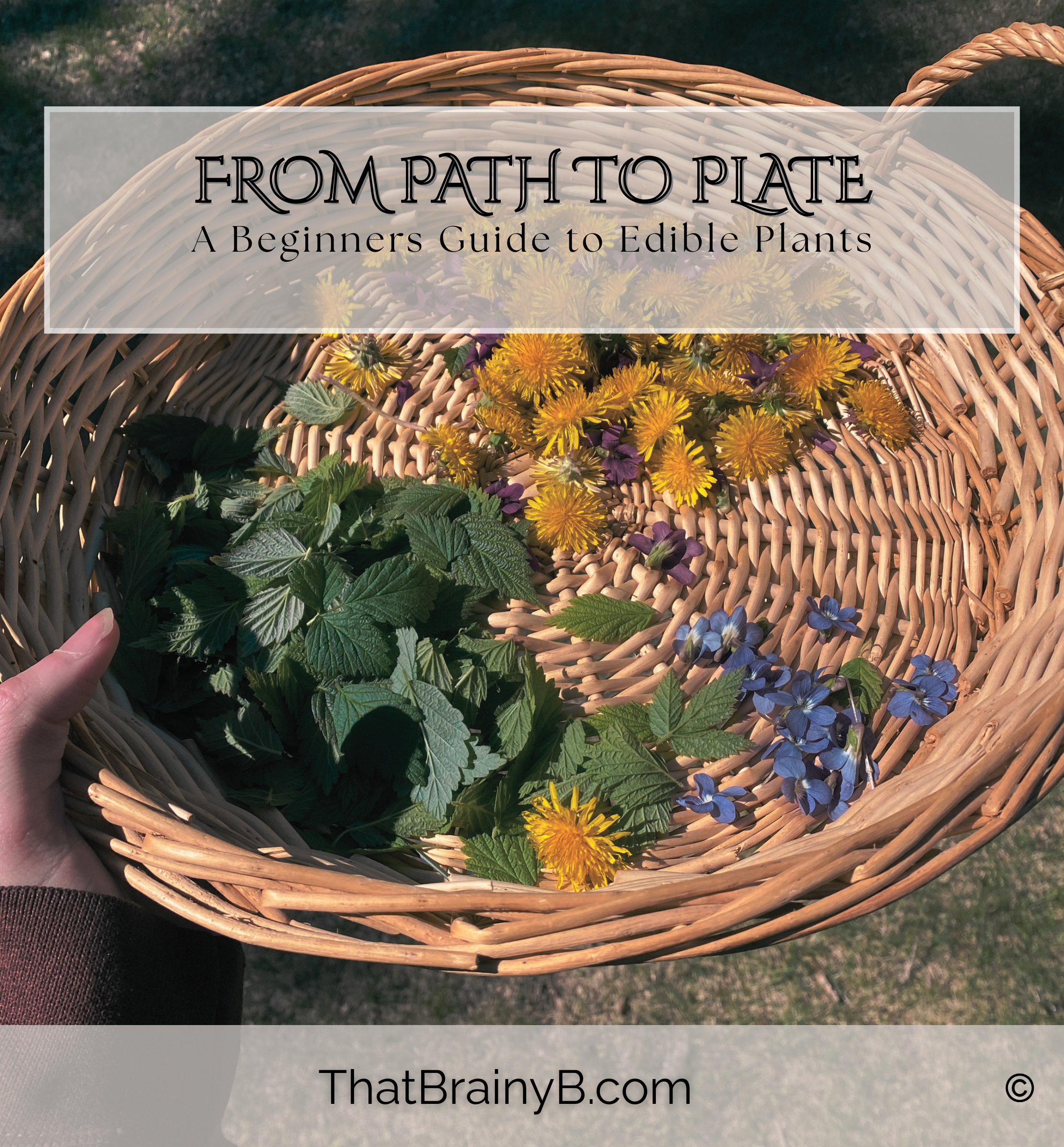
Have you ever wondered how many edible plants you've walked past without realizing it?
As the seasons change, wild foods begin appearing all around us. Tender greens, bright flowers, berries, and herbs emerge in their own time, often unnoticed by those hurrying by.
Learning to identify and responsibly forage these plants can add new flavors to your kitchen and deepen your appreciation for the landscape right outside your door.
~ For educational purposes and learning. These tips and blends are shared for personal use. Do not reproduce or sell commercially. ~Why Learn about Local Edible Plants?
Learning about local edible plants is an empowering skill. When we take the time to observe and get to know our region, we often end up learning more about ourselves. We begin to explore ancient traditions and translations applicable to modern methods. We can support native wildlife with maintaining local flora. Not only are we supporting the environment, we are learning to support ourselves. When you take the time to notice, you start to notice the things you tend to neglect: That pineapple weed peaking through a parking lot crack - is a close cousin to chamomile! That annoying nettles plant that tends to bite back - is incredibly nutritive! The plantain that offers a cushion as you walk through the forest - can basically replace spinach or offer support in field first aid!
These plants are edible, medicinal, AND they play a part in the ecosystem!
Often times it is easier than expected, don’t over-complicate it! Nettles is nutritive to us and many beneficial insects. Caterpillars can feeds on the leaves without getting irritated by the stinging hairs. Nettles absorbs deep nutrients and supplies nitrogen back into the soil. Pineapple weed grows rapidly and in turn can help stabilize loose or disturbed soil. Like many of our “weeds,” it is an easy source for pollinators. Plantain acts similarly in remediating soil and preventing erosion. Another plant to feed our beneficial insects and wildlife.
Easy Wild Plants to Identify
<General Information, Educational Purposes
>
*Note that my location is Minnesota and PLEASE remember allergies should always be considered so do personal research too*
DANDELION (Taraxacum officinale)- Generally quite easy to find and identify. Has look alike plants, but none are toxic! Differentiate from lookalikes by the milky sap, reflexed bracts, an unbranched flower, and leaves that are slightly pubescent but not fully hairy. (1,2)
PLANTAIN (Plantago major)- Also quite easy to find appearing as a bright green basal cluster low to the ground. Referred to as a cosmopolitan weed that occurs in most parts of the world. Eventually shooting a leafless stalk from the center flower spire. (1,2)
RED CLOVER (Trifolium pratense)- Another low growing perennial with leaves that alternate and contain three leaflets. The stem is hairy and flowers will blossom around June with a pink-purple head comprising small tubular flowers that pollinators love! Another characteristic is the chevron shape mark or V shape in the leaf center portion. (1,2)
LAMB’S QUARTERS (Chenopodium album)- A weedy plant that is usually quite small but can get up to 5 feet tall. The stems often have red streaks. The leaves alternate and are 1-4 inches long. The shape of the leaf is triangular to diamond, with a blunt toothed to wavy edge. The species name Album, means white. Towards the center of the leaf it will look like they have been dusted with a white powder. (1)
Note on Locations & Seasons
I am located in Minnesota, many of the plants mentioned throughout this article reflect what grows in my region. What is available to forage will vary greatly depending on your location, climate, and the time of year. A spring walk in Minnesota will look very different from a summer walk in Texas or a coastal trail in Maine.
One of the most valuable skills a forager can develop is observation. Before learning dozens of plant names, spend time noticing what appears first, what thrives in certain habitats, and what fades as the seasons shift. The landscape is constantly changing and has a story to tell.
A few simple tips:
Observe what emerges first each season and where it grows. Early plants can reveal a lot about your local environment.
Notice which plants persist throughout the year and which have a very short window for harvest. Timing is often just as important as identification.
Don't get caught up in finding everything at once. Foraging is a practice of learning your landscape over time. Allow your knowledge to grow season by season. (5)
My Observations: In Minnesota, one of the first plants I notice are nettles and dandelions. Before long, patches of ground ivy begin shooting up through the woodland edges. After a good rain, the purple blooms seem to glow against the fresh green landscape. There is always something new to notice. I highly encourage keeping a nature journal and dating your observations. Over time, you'll begin to recognize patterns that no field guide can teach.
Safety Basics
DO NOT GUESS
Clean & Legal
Dangerous Plants
Allergies
NO GUESSING -> Before consuming a plant, be confident in your identification and cross reference multiple sources → Simple Soil Tests
Clean & Legal Location -> Avoid foraging from ditches, roadsides, near farms, etc. Avoid consuming plants that have been exposed to pesticides. Get permission before foraging from private lands, and check on county laws. That being said, also know what plants should be harvested to help the ecosystem too.
Dangerous Plants -> Start simple and avoid potentially dangerous or poisonous plants. Note that the parsley family contains quite a few plants that are highly toxic. Know what dangerous plants to watch for in your area or region.
Allergies -> Know what plants and plant families you are allergic or sensitive to.
When getting into foraging edible wild plants, it is important to have trusted resources for you region. Check these out:

Welcome!
Hey, I’m Brit. I help you blend the comfort of the kitchen with the care of the apothecary.
Currently Loving
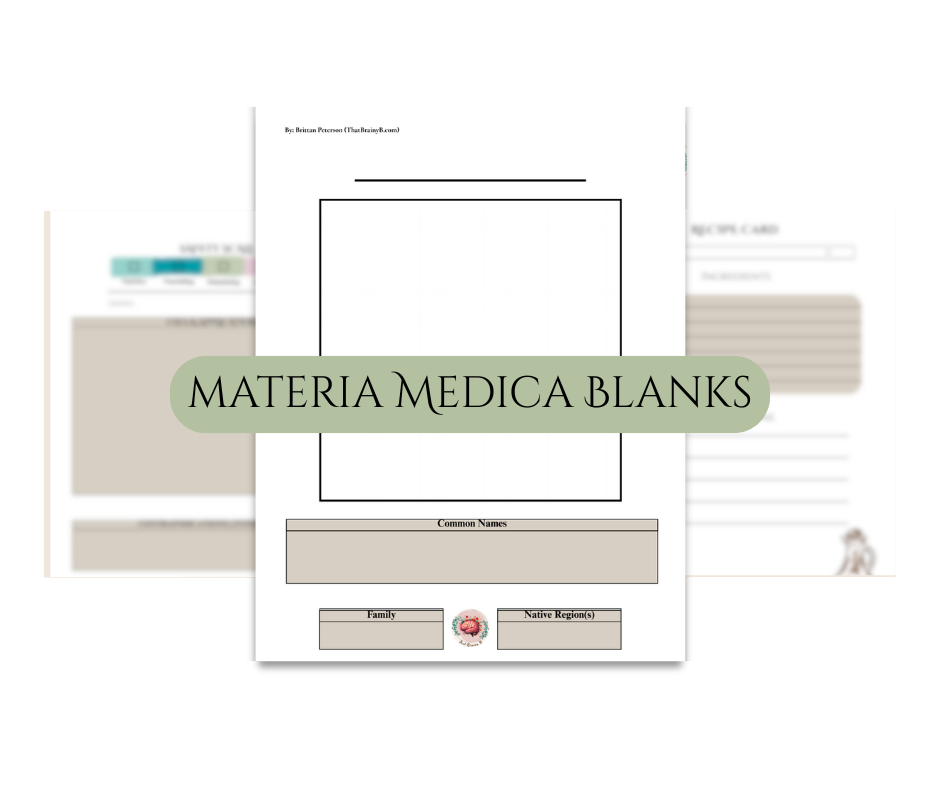
Welcome to your blank materia medica pages, thoughtfully designed to guide your herbal learning journey. Across eight pages you will find creative and detailed prompts that encourage deep exploration on each plant’s unique properties, uses, and energetic qualities.
Study the applications and uses from various angles in time and space (aka your kitchen and apothecary). Note the organ affinity and aromas you personally notice.
Use these pages as your personal resource to cultivate a rich understanding and connection with the plants you work with. Download and reuse forever!
Harvesting Gently
Research is still unfolding on how plants perceive and respond to their environment. While there is much we don't yet understand, generations of gardeners, herbalists, and foragers have developed practices that help support healthy plant populations. Before harvesting we should take the time to learn how a plant grows. Learn which parts are traditionally gathered, and whether it is abundant in your area. Harvest gently and intentionally. Many foragers prefer scissors or careful pinching to minimize unnecessary damage and stress to the plant.
When gathering flowers, choose blooms that are freshly opened and vibrant rather than those beginning to fade. If only a single flower is present, consider leaving it behind. Leaves are often best harvested when young and tender, though timing varies by species. As always, research the individual plant and observe its growth habits before collecting. Mid-morning when the dew has dried but before the heat of the day, is often a preferred harvesting time.
Foraging is about stewardship as much as gathering. Avoid taking entire patches and pay attention to the abundance of a plant before harvesting. A common guideline is to harvest no more than one-third of a healthy stand, though some species may require even more restraint. Leave plenty for pollinators, wildlife, seed production, and future generations.
How to Use Edible Plants
There are hundreds of ways to use these awesome wild edibles!
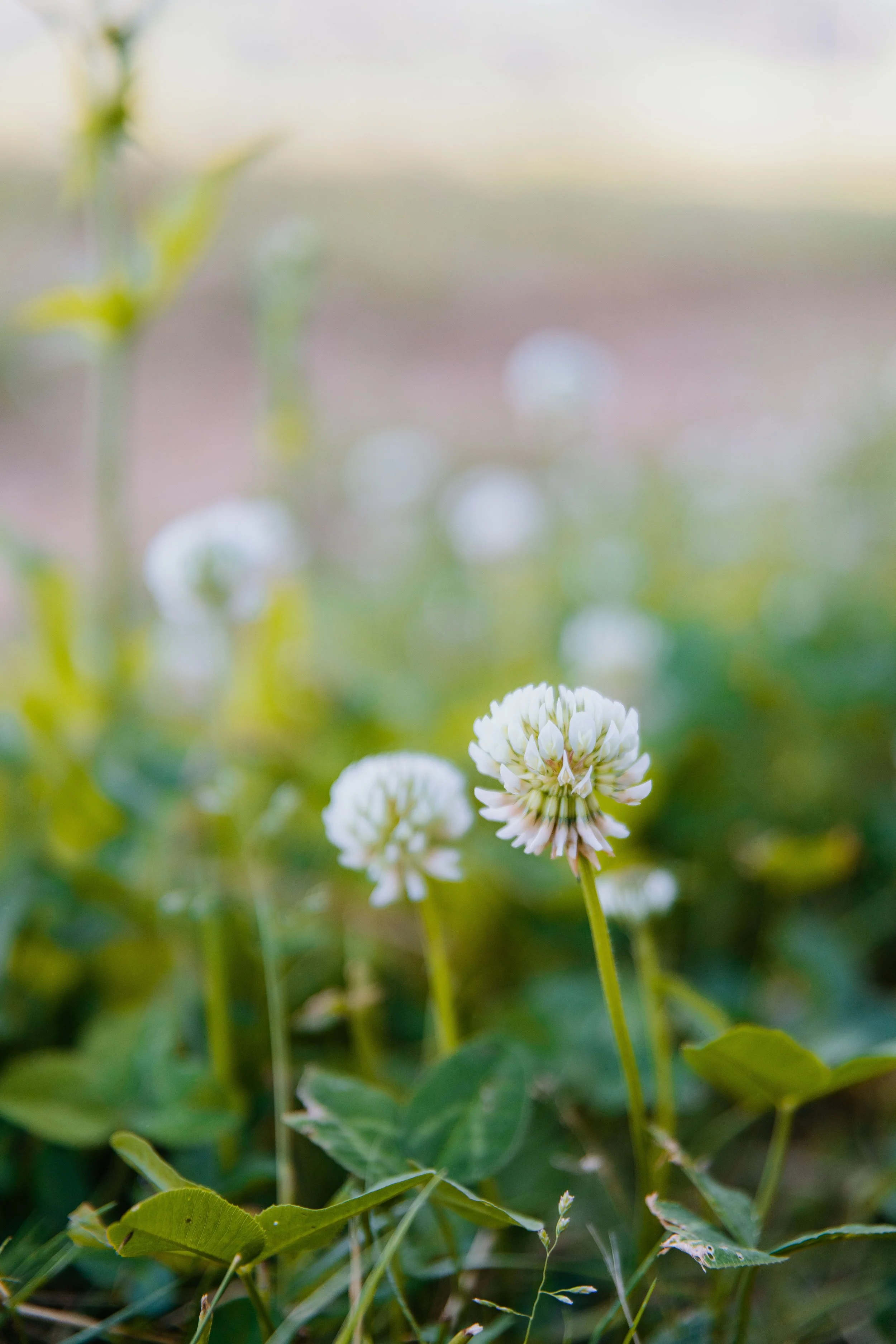
If you plan to go out and collect dandelion leaves, lambs quarters or plantain leaves, they make a great addition to your spring salads. Dandelion leaves are most tender before they flower but can still be utilized through the season. This year I am experimenting with a dandelion flower infused vinegar! Happen to come across some white clovers? Toss those in your salad for a fun floral pop.
Freeze into ice cubes (My favorite method of saving greens like Wheat-grass or Nettles)
Infuse into honey or simple syrup (Think rose, lilac, lemon balm → Recipe Here)
Garnish baked goods (You can make candied flowers)
Blending into a Tea & Homemade Remedies
General Safety Notes
Always properly identify plants
Not all plants are edible
Avoid roadside or sprayed plants, etc.
Try small amounts first, and consider allergies
Other Recipes & Mentioned Resources
Alfs, Matthew. Edible and Medicinal Wild Plants of the Midwest. Forager's Harvest Press, 2013. → [View Here]
Rose, Lisa M. Midwest Medicinal Plants: Identify, Harvest, and Use 109 Wild Herbs for Health and Wellness. Timber Press, 2017. → [View Here]
Thayer, Samuel. Nature's Garden: A Guide to Identifying, Harvesting, and Preparing Edible Wild Plants. Foragers Harvest Press, 2010. →[View Here]
Minnesota Native Plants →[Learn More]
Another Foraging & General Resource → [Read More] +
Watch my Video → [View Here]
White Clover image credit to: Kathrine Birch
This post contains affiliate links. If you click through and make a purchase, I may earn a small commission at no extra cost to you. I only recommend products I truly support and use or just really enjoy. Thank you so much for supporting my small business!

What happens when coffee cherry cascara meets apple, fennel, fenugreek and ginger? Meet Colon Coffea, a cozy seasonal tea created for the transition into fall. Learn about the plants in the blend, their traditional uses, the research behind them and how tea preparation can change the experience.