

Planning a Garden of Edible Plants | The Basics
Gardening planning is in session!
As April showers remind us of an old friend called green grass we start to wish for fresh food and bright blooms. Spring is THE time for seeds to start sprouting, wild or not!
What are you planting this season? Getting your garden planned and prepped can ensure the most perfect cup of tea later on.
~ For educational purposes and learning. These tips and blends are shared for personal. Do not reproduce or sell commercially. ~Why Grow Edible Plants?
There are many reasons to grow edible plants. Not only are you growing your own nutritious food, but you are caring for yourself throughout the whole process! It can be a great reminder to slow down and observe, to have gratitude. The simple act of getting dirt beneath your nails has therapeutic potential supported by science. According to Chanchal Cabrera (more info linked in resources), healthy soil contains Mycobacterium vaccae which is a non-pathogenic bacteria said to induce fatty acids that increase serotonin through the porous area beneath our fingernails! This can be considered horticultural therapy.
Another reason to grow edible plants is for leveling up your daily dishes with flavorful ingredients. Enhance you meals by throwing some fresh greens in, play around with layering mocktails, or blend your own sun tea → Making Sun Tea.
Often times it is easier than expected, don’t over-complicate it!
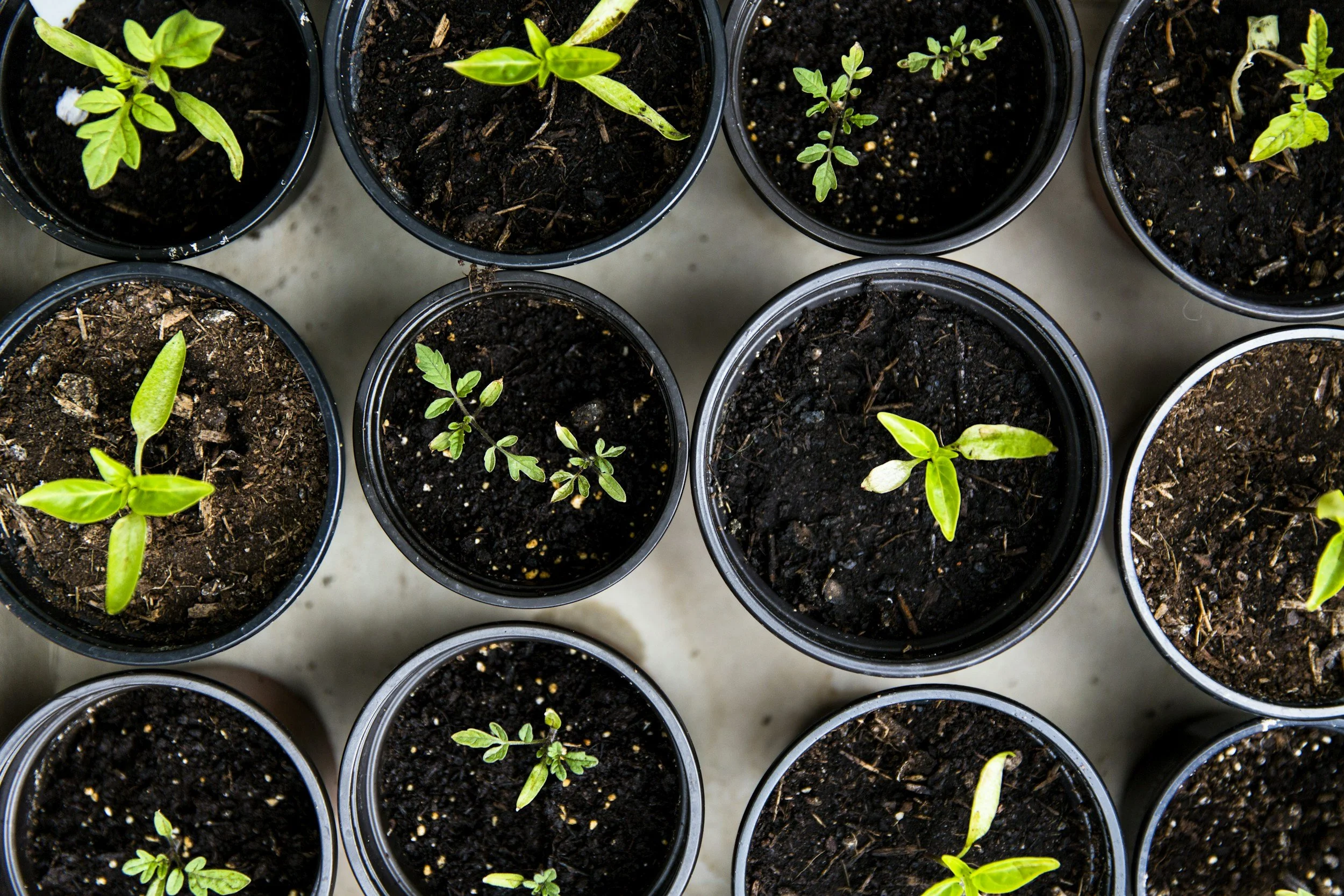
Easy Edible Plants to Grow
<General Information, Educational Purposes
>
*Note that my location is Minnesota*
BASIL (MINTS)- Basil and many other mints are quite easy. It is often recommended to plant mint in a container due to their spreading.
CHIVES- A delicious and considered lower maintenance than basil even requiring less water.
RADISHES- Radishes are fast growing and very easy.
Lettuce- Another very fast and quite easy crop to grow. Often one of the first you can plant.
Note on Locations & Seasons
As mentioned above, I am located in Minnesota. Many choices will depend heavily on your location and seasons. There are a few ways to go about this, and each gardener does it different. Either you have seeds already that you plan to plant, or you are choosing seeds. If you have seeds that you’ve acquired or saved, your next step will likely be figuring out the soil. Maybe you don’t have the seeds, but instead you have a list of seeds you would like to grow. Here are a few tips to keep it simple, and then we will continue into gardening basics.
1.) Observe what starts blooming first and where, this can give a good idea on your location and season.
2.) Notice what fades first and last throughout the seasons, yes it can take a couple years of observing to truly optimize your space!
3.) Don’t get caught up! Let your garden change overtime, only control what needs to be controlled like invasive and damaging species.
My Observations: April is the time I start noticing dandelions, and they start taking over into May. Ground ivy pops up in as the dandelions start taking over, the purple extra bright after a good rain. There are many things to notice during this time, I highly encourage to journal your observations and date each!
Growing Basics
Sunlight needs
Soil (well-draining, nothing fancy)
Watering (consistent, not fussy)
Avoid chemicals/pesticides if you plan to eat them
Soil -> Depending on your seeds and species, the soil demands will differ. There are a few ways to test your soil without sending it in and paying a pretty penny! Check out this Video → Simple Soil Tests
Sunlight -> Sunlight requests will also vary by plant, so be sure you ask how much each needs before planting
Water -> How much water will these plants need? What will your set up look like? If using a hose, ensure it can reach your garden. A few set-up ideas are buried clay pots (Read more in References), irrigation systems, rain barrels, etc.
Pests -> When prepping a garden, it is a good idea to consider any potential pests. If you live in the woods and plan to do a edible garden, will you be having deer friends coming over and snacking? It is a good idea to look up what each plant is suseptible to and plan for control. Do you research in treatment methods, it is best to avoid pesticides and herbicides in edibles.

Welcome!
Hey, I’m Brit. I help you blend the comfort of the kitchen with the care of the apothecary.
Currently Loving
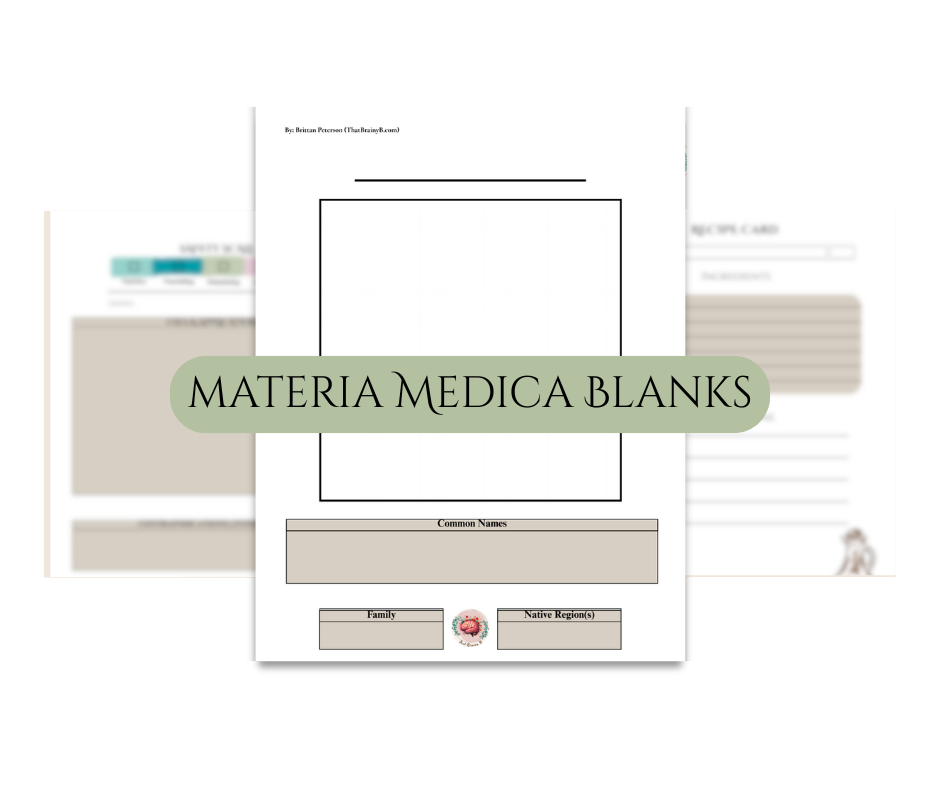
Welcome to your blank materia medica pages, thoughtfully designed to guide your herbal learning journey. Across eight pages you will find creative and detailed prompts that encourage deep exploration on each plant’s unique properties, uses, and energetic qualities.
Study the applications and uses from various angles in time and space (aka your kitchen and apothecary). Note the organ affinity and aromas you personally notice.
Use these pages as your personal resource to cultivate a rich understanding and connection with the plants you work with. Download and reuse forever!
Harvesting Gently
Research is unfolding on how plants detect us, and how they might defends themselves. There is a lot of unknown around this topic, but thankfully we have many years of harvesting to reference here on Earth. Each plant has it’s own place that often depends on the parts used. Understand what parts you will harvest, and do so gently. The practice most often recommended and repeated is to use scissors or pinch carefully to avoid placing too much stress on the plant. Yes, our plants can get stressed out much like us when lacking proper care!
With flowers it is recommended to choose fully open blooms, but none that are fading. Dandelion leaves can be gathered throughout spring, but taste less bitter earlier on. Many leaves tend to taste best before the fruit or flower, but do your own research and experimentation! The best way to harvest is by location and season and often in mid-morning.
Finally, try to always leave some of the plants for our pollinators and yearly return (if applicable). For example, I only had one mullein plant in my woods last year so I carefully harvested a few leaves and a flower or two but decided to leave the rest. On my walks in the woods, I noticed many animals were munching on the Mullein. This year I am happy to see even more plants!
How to Use Edible Plants
There are hundreds of ways to use your edible plants! *These are general ideas for most edible plants*
You can of course enjoy them simple and fresh, or dry for later use. Sprinkle into salads or infuse for a vinegar dressing.
Freeze into ice cubes (My favorite method of saving greens like Wheat-grass or Nettles)
Infuse into honey or simple syrup
Garnish baked goods
Blending into a Tea
Hot Infusion 4g ~ 1tbsp/8oz water ~ as general guideline ~ Cold Infusion (1:5, or 1/4cup herb to 1 cup water)
General Safety Notes
Always properly identify plants (EVEN WHEN USING SEEDS)
Not all plants are edible
Avoid roadside or sprayed plants
Introduce slowly if trying new plants
Other Recipes & Mentioned Resources
Olla Watering System → [View Here]
Benefits of Touching Soil → [Read more]
MN Planting & Growing Guides →[Learn More]
Horticultural Therapy →[Learn More]
Mocktail Recipes → [Read More]
Watch my Video → [View Here]
This post contains affiliate links. If you click through and make a purchase, I may earn a small commission at no extra cost to you. I only recommend products I truly support and use or just really enjoy. Thank you so much for supporting my small business!

What happens when coffee cherry cascara meets apple, fennel, fenugreek and ginger? Meet Colon Coffea, a cozy seasonal tea created for the transition into fall. Learn about the plants in the blend, their traditional uses, the research behind them and how tea preparation can change the experience.