

Historical Health Drinks | Traditional Drinks from Around the Globe

Long before sports drinks, sodas, and powdered mixes filled store our shelves; people around the world crafted beverages from simple ingredients close at hand. Simple ingredients like herbs, vinegar, grains, and even leftovers from the kitchen found their way into drinks.
Some were meant to fuel laborers through long days. Others preserved valuable ingredients or became beloved traditions shared across generations. Let's explore a few historical beverages and the stories they carry.
~ For educational purposes and learning ~Why learn the history of traditional drinks?
Sometimes the best thing truly, is simple curiosity.
I've always enjoyed learning about different cultures and traditions. Some of my favorite travel memories involve tasting foods and drinks I had never encountered before and hearing the stories behind them. What people drink often reflects the environment they live in, the ingredients available to them, and the needs of daily life.
Traditional beverages offer a small but meaningful window into history. They remind us that nourishment, creativity, and community have always been closely connected.
Historical Drinks
<General Information, Educational Purposes
>
*Note that my location is Minnesota*
POSCA- Sour wine or vinegar mixed with water, and sometimes herbs. Originated in Greece but became an everyday drink for the Roman army and lower classes. Some higher Romans would drink it to express solidarity with their troops! Vinegar has historically been used in many cultures to mask the taste of questionable water. Within Appian’s Iberike records Posca was recorded as a provision for army Lucullus. (1) Christian Gospels described Roman soilders offering sour wine on a sponge during the crucifixion.
SHARBAT- Loaded water that traveled from Persia along the silk road into South Asia where it became Sharbat, Serbat, and Sarbbath (3). Check the video out where we try it -> Here
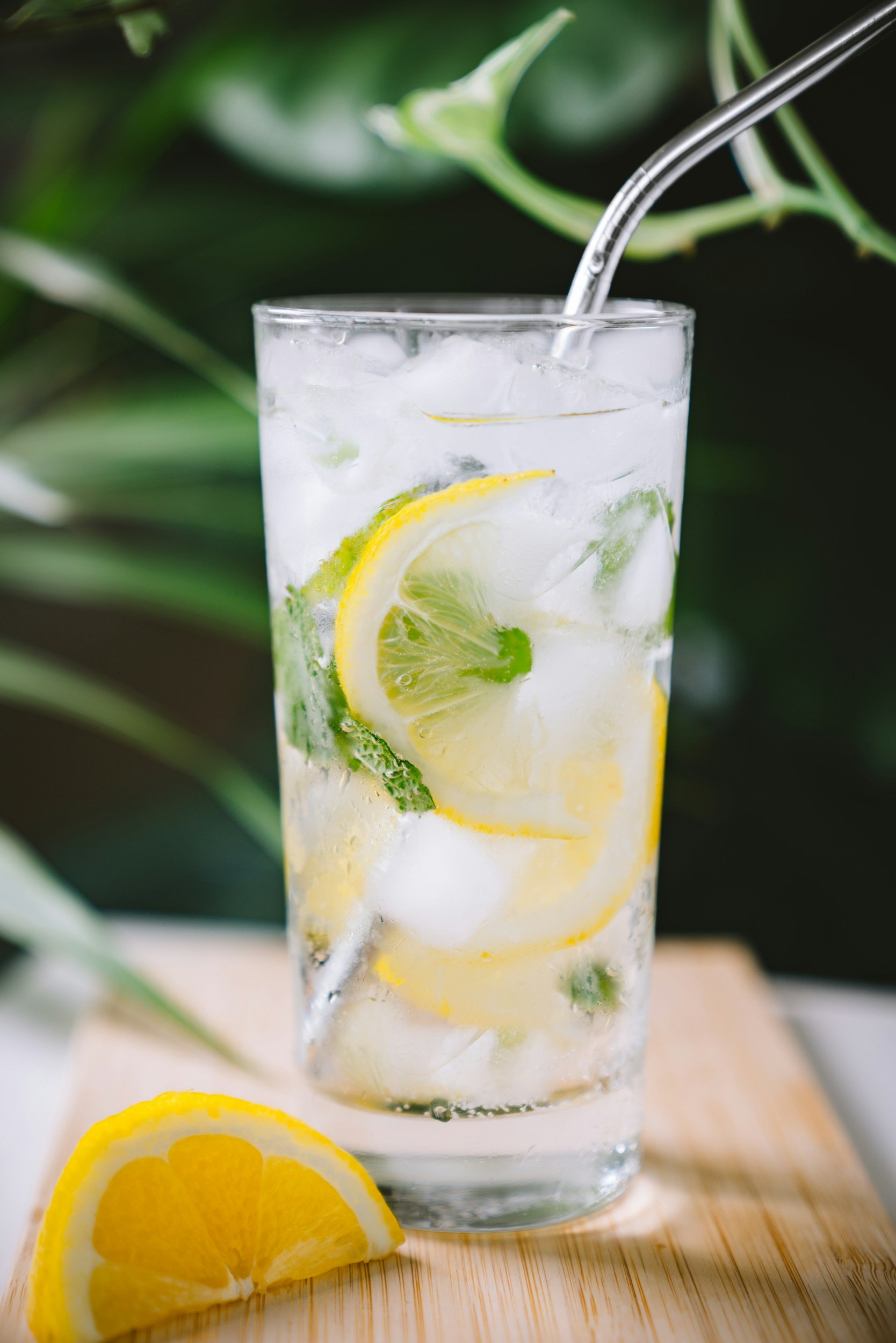
KASHKAB- Original Egyptian lemonade made with barley, mint, and citron leaf. Once lemons arrived they became central to the drink, which was then called qatarmizat (4). Then carbonated lemonade became popular!
GATORADE- A more modern drink, but still related with the goal of health in mind. In 1965 assistant coach Dwayne Douglas from Gainsville had noticed the players were losing weight, and not using or needing the bathroom. He asked Dr Robert Cade who understood that they were sweating too much and not producing enough fluids. He simply replaced what they were losing, so it tasted terrible. Cades wife suggested adding lemon juice. He called it gatorade after Florida Gators (5).
Why did we stop making seasonal drinks at home?
Okay, I may be a bit dramatic…
We haven’t entirely stopped making seasonal drinks, but there was a moment in history where things started to change. Commercialization is a big part of this change, and maybe part colonization. As we learned how to seal and store different liquids for different lengths of time. Utilizing clay and ceramics to store some of the oldest fermented grapes discovered. Some of the very first trades across the ancient Silk Road were likely silk, jade, iron for horses, spices, and grapes. Other items traded included Roman glassware, ivory, porcelain, and lacquerware. How does this relate to the tradition of seasonal supportive drinks?
Unfortunately, there isn’t one straightforward answer. What we do know is that both colonization and commercialization deeply changed global trade. We won’t get too deep into this but you are more than welcome to read through the linked references. Native Americans would primarily create drinks with crushed berries, Herbal teas and infusions, and more before obtaining alcohol through trades. While they would still craft these drinks, true tea kind of became the symbol of wealthy when it was introduced to the New World. Colonists would serve it in porcelain cups on special tables.
Now insert the British Tea Act of 1773 and Boston Tea Party…When tea parties became a form of protest in port cities. During the War of Independence, consuming British Tea was considered treasonous. This is when colonists shifted to locally made ‘liberty teas (2).’ These liberty teas were most definitely inspired by Native Americans, including ingredients like sumac berries and raspberry leaf. Liberty teas along with coffee and alcohol became the New World staples. This really changed our taste palate, and iced tea became much more popular.
That being said, we never really stopped…Instead, our culture and taste preference has shaped and shifted overtime with innovation.
Drinks rarely stay in one place for long.
As people traveled, traded, migrated, and settled in new lands, they carried their food traditions with them. Ingredients crossed mountains, deserts, and oceans. New spices arrived in unfamiliar kitchens. Tea reached distant ports. Coffee spread across continents. Local recipes began borrowing from faraway cultures while still reflecting the needs and resources of the communities that adopted them.
What fascinates me is that every exchange left a mark. The beverages we drink today are often layered with centuries of history, trade, adaptation, and human connection. Sometimes a single cup can tell a much bigger story than we realize.

Welcome!
Hey, I’m Brit. I help you blend the comfort of the kitchen with the care of the apothecary.
Currently Loving

Welcome to your blank materia medica pages, thoughtfully designed to guide your herbal learning journey. Across eight pages you will find creative and detailed prompts that encourage deep exploration on each plant’s unique properties, uses, and energetic qualities.
Study the applications and uses from various angles in time and space (aka your kitchen and apothecary). Note the organ affinity and aromas you personally notice.
Use these pages as your personal resource to cultivate a rich understanding and connection with the plants you work with. Download and reuse forever!
The connection
Looking across these beverages, it becomes clear that they are more than recipes passed through history. They are reflections of place, season, necessity, and culture. Each drink carries a story shaped by climate and available ingredients. Trade and tradition which impacted everyday lives.
Whether crafted for nourishment or simple refreshment, these beverages offer a small glimpse into how communities cared for themselves and one another. In many ways, they remind us that food and drink have always been about more than consumption. They are expressions of identity, memory, and connection.
Other Recipes & Mentioned Resources
Roman Posca Army Drink → [Read Here]
Liberty Tea → [Read more]
More on Sharbat →[Learn More]
History of Kashkab →[Learn More]
The original Gatorade → [Read More]
Trade History & General → [Silk Road, Colonization, Drinking]
Watch my Video → [View Here]
Banner Image Credit to Dziana Hasanbekava

This drink captures that in-between feeling of the season — when our bodies crave hydration or something light after a stretch of heavy foods and shifting routines. The air starts to feel crisper, yet the afternoons still hold a trace of warmth. It’s a time for refreshing instead of rushing.
The blend of cucumber, lime, and a touch of spirulina gives this mocktail a signature green hue with this sweet & fresh flavor. The addition of lemon balm syrup softens the edges to balance the citrus, and adds in a calm sweetness. It’s simple yet a little playful, and meant to bring that steady energy we often need as we move through the seasons.